What Is Anxiety?
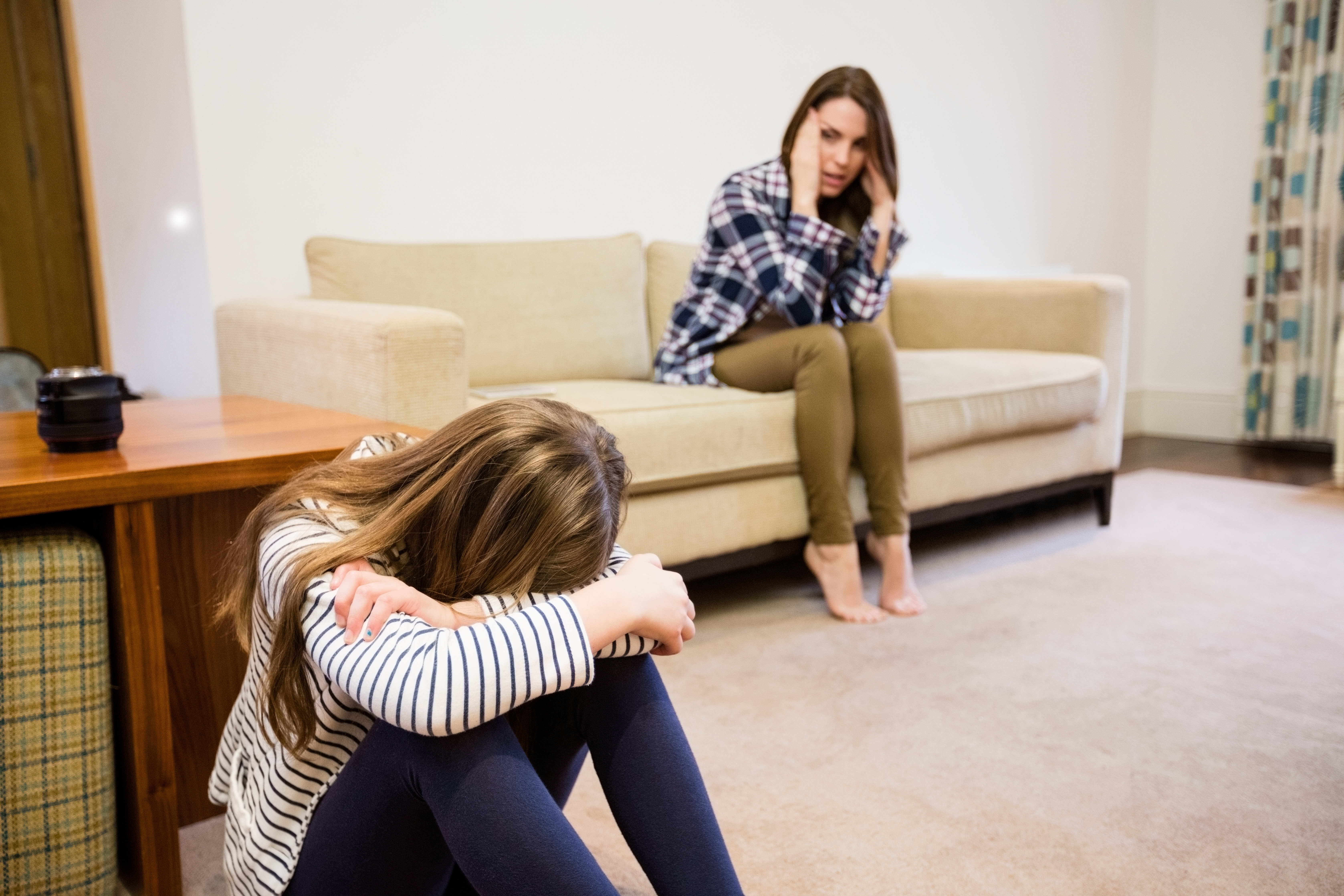
Anxiety is a feeling of worry, fear, or unease. Everyone feels anxious sometimes. However, when anxiety becomes strong or lasts a long time, it can affect daily life. Both children and adults can experience anxiety. In fact, anxiety in children and adults is common worldwide. According to the World Health Organization (WHO), anxiety disorders are among the most common mental health conditions. Understanding anxiety helps people find ways to cope and manage it better.
Symptoms of Anxiety in Children
Children may show anxiety in different ways. Sometimes, it is hard to notice. However, knowing the signs can help parents and caregivers support their children. Here are common symptoms of anxiety in children:
For example, a child may avoid going to school because they feel nervous. If these symptoms last for weeks, it may be time to seek help.
Symptoms of Anxiety in Adults
Adults can also experience anxiety. The symptoms may look different than in children. Still, anxiety can affect work, relationships, and health. Common symptoms of anxiety in adults include:
Sometimes, adults may also have panic attacks. These are sudden feelings of intense fear, with symptoms like a racing heart or shortness of breath.
Causes and Risk Factors
Many things can cause anxiety. Often, it is a mix of factors. For instance, genetics, brain chemistry, and life events all play a role. Here are some common causes and risk factors:
Although anyone can develop anxiety, some people are more at risk. Early support can help reduce the impact.
Diagnosis and When to Seek Help
Doctors diagnose anxiety by asking about symptoms and daily life. Sometimes, they use questionnaires or checklists. If anxiety lasts for weeks or gets in the way of school, work, or relationships, it is important to seek help. Early diagnosis can make coping with anxiety easier. The Centers for Disease Control and Prevention (CDC) recommends talking to a healthcare provider if you notice ongoing symptoms.
Coping Strategies for Children
Children can learn ways to manage anxiety. Parents and caregivers play a big role. Here are some helpful coping strategies for children:
With support, children can build confidence and learn to handle anxiety better.
Coping Strategies for Adults
Adults can also use healthy ways to manage anxiety. While everyone is different, these strategies often help:
For those seeking anxiety support in their area, many cities offer local resources or online groups.
Prevention and Lifestyle Tips
Although not all anxiety can be prevented, healthy habits can lower the risk. Here are some lifestyle tips for both children and adults:
By making small changes, people can support their mental health every day.
When to Consult a Mental Health Professional
Sometimes, anxiety needs extra support. If symptoms are severe, last for weeks, or cause problems at home, school, or work, it is time to talk to a mental health specialist. Early help can prevent anxiety from getting worse. Professionals can offer therapy, coping tools, or medication if needed. The National Institute of Mental Health (NIMH) and WHO both recommend seeking help when anxiety affects daily life.
If you or a loved one struggles with anxiety, consult a mental health specialist for personalized guidance.