
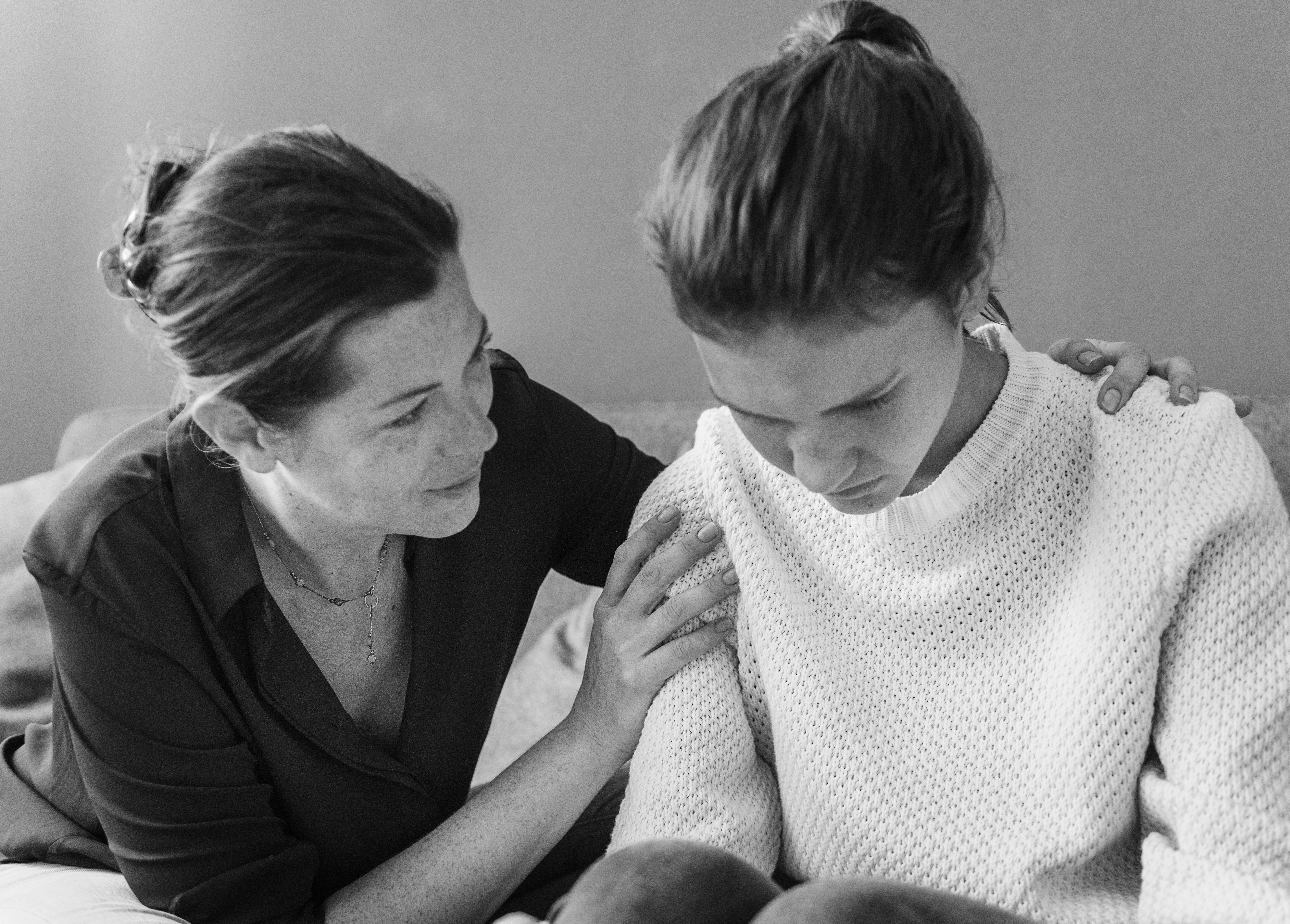
What is Grief?
Grief is a natural response to losing someone you love. When coping with the grief of losing a loved one, you may feel many emotions. Grief can affect your mind, body, and spirit. Although everyone grieves in their own way, most people feel sadness, anger, or confusion. For many, healing after loss takes time. However, support and understanding can help you move forward.
Common Symptoms and Emotional Responses
After a loss, you may notice changes in how you feel and act. For example, you might:
Sometimes, you may also feel relief, especially if your loved one suffered. These feelings are normal. Yet, if symptoms last for months or get worse, you may need extra support.
Stages of Grief
Many people move through different stages of grief. While everyone’s journey is unique, some common stages include:
However, these stages do not always happen in order. You may move back and forth between them. According to experts, such as the American Psychiatric Association, this is normal.
Healthy Coping Strategies
Although grief is painful, there are ways to cope and heal. For example, you can:
In addition, try to keep a routine. This can help you feel more stable. If you feel stuck or overwhelmed, reach out for help.
When to Seek Professional Help
Sometimes, grief can become too much to handle alone. You should consider seeing a mental health professional if you:
Moreover, therapists and counselors can offer support and tools for healing after loss. The World Health Organization recommends seeking help if grief affects your mental health for a long time.
Tips for Supporting Others in Grief
If someone you know is grieving, you can help. For instance, you can:
Above all, be patient. Healing after loss takes time, and everyone moves at their own pace.
Prevention of Complicated Grief
Complicated grief happens when sadness does not get better over time. To prevent this, it helps to:
According to the CDC, early support can lower the risk of long-term mental health problems after bereavement.
If you are struggling with grief, consult a mental health professional for personalized support.