
Introduction
Play Therapy for Anxiety is a gentle way to help children manage stress. Many kids feel anxious, but they may not have the words to explain their feelings. Because play is a child’s natural language, therapists use it to help children express worries. In fact, play therapy for childhood anxiety is a proven method for child anxiety treatment. According to the American Psychological Association, play therapy can help children feel safe and understood. As a result, it is often used to support children who struggle with stress or fear.
Symptoms of Anxiety in Children
Children show anxiety in many ways. Sometimes, the signs are easy to miss. However, knowing what to look for can help parents act early. Common symptoms include:
Sometimes, children may cry often or avoid new situations. If these signs last for weeks, it may be time to seek help.
Causes and Triggers of Anxiety in Children
There are many reasons why children feel anxious. For example, big changes like moving to a new home can cause stress. Other common triggers include:
Sometimes, anxiety runs in families. However, even children without a family history can develop anxiety. The CDC notes that both genetics and environment play a role.
How Play Therapy Works for Anxiety
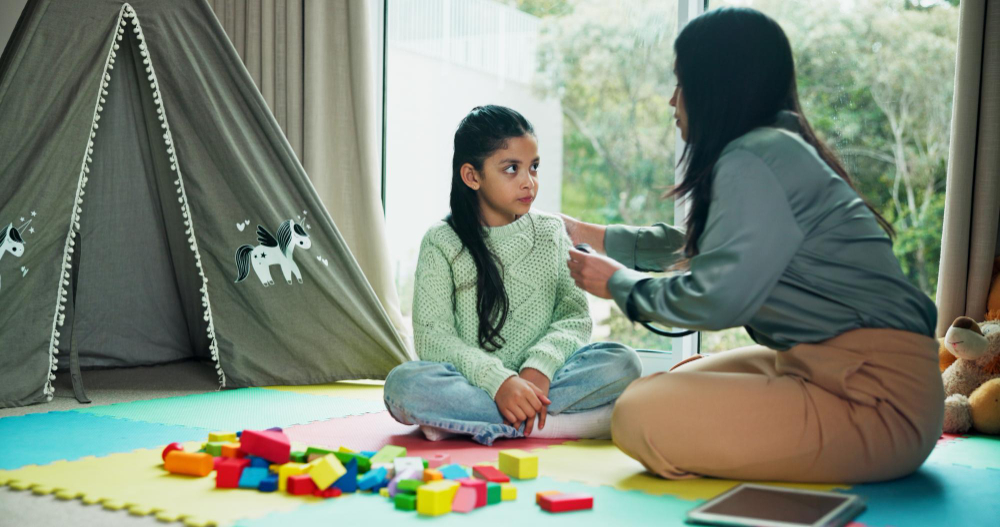
Play therapy uses toys, games, and art to help children share their feelings. During sessions, a trained therapist guides the child through play activities. For example, a child might use dolls to act out worries. Or, they may draw pictures to show what scares them. Because play feels safe, children often open up more easily. Over time, therapists help children learn new ways to handle stress. This approach is gentle and child-friendly, making it ideal for helping children cope with stress.
Benefits of Play Therapy for Children Coping with Stress
Play therapy offers many benefits for children with anxiety. Some of the key advantages include:
In addition, play therapy can help children feel more in control. According to the Association for Play Therapy, many children show progress after just a few sessions.
What to Expect During Play Therapy Sessions
At the start, the therapist will meet with parents to learn about the child’s needs. Next, the child attends regular sessions, usually once a week. Each session lasts about 30 to 50 minutes. During the session, the therapist may use:
Over time, the therapist and child build trust. As a result, the child feels safe to share worries. Parents may also get updates and tips to support progress at home.
Tips for Parents and Caregivers
Parents play a big role in helping children cope with stress. Here are some helpful tips:
Above all, show patience and support. Children need time to learn new ways to handle anxiety.
Prevention and Lifestyle Guidance
While not all anxiety can be prevented, some steps can lower the risk. For instance, healthy habits and a supportive home help children feel safe. Consider these ideas:
Early support can make a big difference. If you notice signs of anxiety, seek help sooner rather than later.
Conclusion
Play therapy for anxiety is a safe and effective way to help children cope with stress. It allows kids to express feelings, learn new skills, and build confidence. If you think your child may benefit, consult a qualified mental health professional for personalized guidance.